Home is the place where we feel safest, relaxed, and most protected. But in today’s world, relying only on basic locks and outdoor lights is no longer enough. As technology improves, the risks also grow smarter. That is why investing in modern Home Security upgrades is one of the best ways to protect your family, your valuables, and your peace of mind. At Deep Dive Picks, our goal is to help you make smart, research-backed choices. This guide explores the most valuable home security upgrades worth trying for better protection in simple, clear language.
Home security does not mean turning your house into a fortress. It means using smart tools, good habits, and modern systems together to lower risks and respond fast when danger appears. Even small improvements can make a big difference in stopping thieves, handling emergencies, and keeping your loved ones safe.
Why Home Security Matters More Than Ever
Home security is no longer just about stopping break-ins. It now protects against package theft, fires, gas leaks, and even cyber threats through smart devices. Modern homes are filled with electronics, valuables, and personal data. Without proper home-security, all of these are at risk.
Criminals often look for easy targets. A home without visible home-security upgrades sends a signal that it may be easier to break into. On the other hand, even one visible camera or smart doorbell can make a thief think twice.
Real-life example helps explain this clearly. In one neighborhood, two similar homes stood next to each other. One had a visible camera, motion lights, and a smart doorbell. The other had none. When a break-in happened, the unprotected home was targeted while the protected one was left alone. This shows how powerful basic home-security steps can be.
Understanding the Basics of Home Security
Before upgrading, it is important to understand what home-security really includes. A complete home security system focuses on three major goals: prevention, detection, and response.
Prevention means make it hard for criminals to enter your home. Detection means finding out quickly if someone tries to enter. Response means alerting you or authorities so action can be taken fast. Strong home-security upgrades usually improve all three areas at the same time.
Core Parts of a Home Security System
- Strong doors and locks
- Outdoor and indoor lighting
- Cameras and video recording
- Alarm systems
- Motion sensors
- Smart monitoring apps
Each of these parts works like a team. When one part sees danger, the others react to stop it.
Smart Door Locks as a Home Security Upgrade
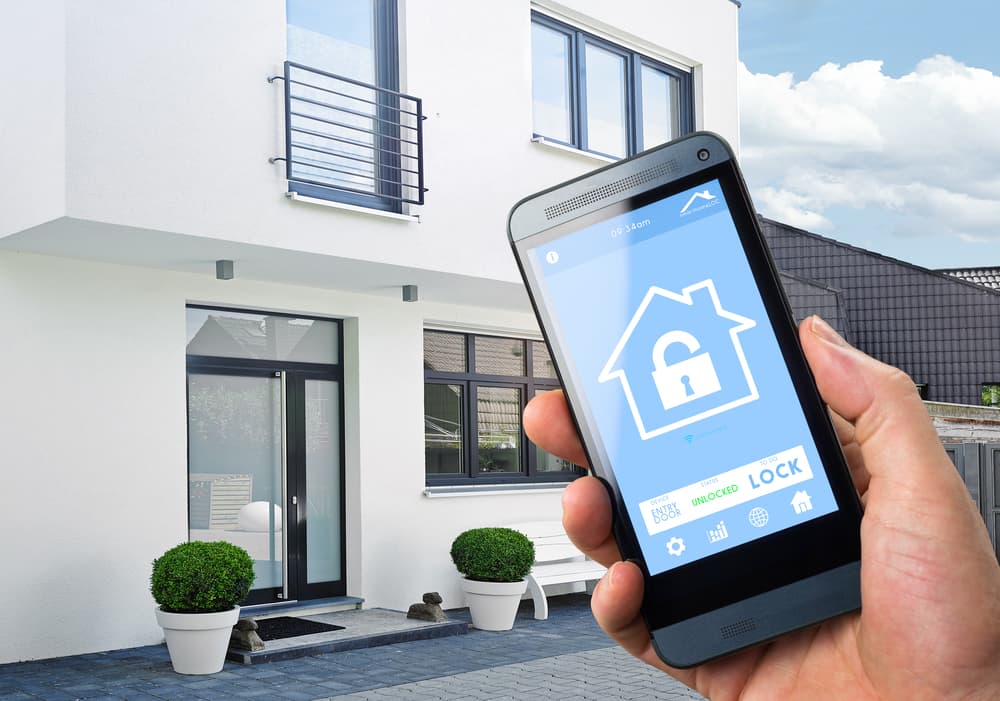
Smart door locks are one of the most popular home-security upgrades today. They replace or work with traditional locks and add digital control. Instead of using only keys, you can unlock your door with a code, fingerprint, smartphone, or even voice command.
Smart locks improve home-security by removing common problems like lost keys and copied keys. You can give temporary access to guests, cleaners, or delivery workers and remove access anytime.
Benefits of Smart Door Locks
- No more hiding spare keys outside
- Real-time alerts when doors open
- Auto-lock features prevent accidental open doors
- Remote locking from your phone
A family case study shows the power of this upgrade. A working couple often forgot to lock the door in the rush of mornings. After installing a smart lock, the system automatically locked the door after 60 seconds every time. Their home-security improved without changing their routine.
Video Doorbells for Front Door Home Security
The front door is the most common entry point for both guests and intruders. A video doorbell adds a strong layer of home-security by letting you see, hear, and speak to anyone at your door using your phone.
Even if you are at school, work, or on vacation, you can check who is outside. This helps stop fake delivery scams and unwanted visitors before they get close.
Key Advantages of Video Doorbells
- Motion alerts for anyone near your door
- Two-way talk for safe communication
- Video recording for evidence
- Works day and night with night vision
A real example shows its value. A homeowner received an alert while at work that someone was trying to open her package. She used the speaker to warn the person that they were being recorded. The thief ran away. This simple home security upgrade saved her property without police involvement.
Home Security Cameras for Full Property Coverage
Security cameras are one of the strongest tools for home-security. They work both as a warning sign and as a way to collect proof if something happens. Cameras can be placed at entrances, backyards, garages, hallways, and even living rooms.
Modern home security cameras now offer high-definition video, night vision, motion tracking, and cloud storage. They allow you to view live footage anytime.
Indoor Cameras vs Outdoor Cameras in Home Security
Indoor cameras help monitor kids, pets, and indoor movement. Outdoor cameras protect against trespassers and watch over vehicles and yards.
Both are important for complete home-security. Together, they create full coverage inside and outside your home.
What to Look for in Home-Security Cameras
- HD video quality
- Wide viewing angle
- Night vision
- Motion alerts
- Secure cloud storage
Using cameras is like adding a pair of eyes that never sleep to your home security setup.

Alarm Systems as a Core Home Security Upgrade
Alarm systems remain one of the most trusted home-security upgrades for better protection. When a door, window, or sensor is triggered, a loud alarm sounds and alerts you or a monitoring company.
Modern alarm systems go beyond simple noise. They connect to phones, emergency services, and smart home hubs.
Types of Alarm Systems in Home Security
- Burglar alarms
- Fire and smoke alarms
- Carbon monoxide alarms
- Panic buttons for emergencies
These systems work together to protect against more than just theft. They keep your entire home safe from multiple dangers.
Smart Home Integration for Stronger Home Security
Home security is becoming smarter through automation. Smart home-security allows your cameras, locks, alarms, and lights to work together automatically.
For example, if a motion sensor is triggered at night, your lights turn on, your camera starts recording, and your phone gets an alert. This fast response increases safety.
Benefits of Smart Home-Security Integration
- Faster reaction to danger
- Fewer false alarms
- Easy control from one app
- Automated safety routines
This works like a computer game defense system where one trigger activates several layers of protection at once.
Window Security Upgrades for Better Home Protection
Windows are weak points in many homes. Basic glass and simple locks can be broken or forced quickly. Upgrading window security is a smart move for better home-security.
Popular Window Security Upgrades
- Reinforced window locks
- Shatter-resistant window film
- Window sensors connected to alarm systems
Window film keeps glass from breaking into sharp pieces and makes it harder to enter. Window sensors send alerts the moment a window opens or breaks.
Garage Door Home Security Upgrades
Garages are often forgotten in home-security planning. Yet many break-ins start through the garage, especially if it connects directly to the house.
Smart garage door openers improve home-security by sending alerts when the door opens. You can close the door remotely if it was left open.
Garage sensors, cameras, and motion lights work together to fully protect this area.
Home Security for Apartments and Renters
Many people think home-security is only for homeowners. That is not true. Renters can use many upgrades without permanent changes.
Portable cameras, wireless alarms, video doorbells with removable mounts, and smart locks approved by landlords all improve apartment home-security.
Even one camera and a motion light can make a big difference.
Cybersecurity as Part of Modern Home Security
Today, many home-security systems connect to the internet. That means digital safety is also important. Weak passwords and unprotected Wi-Fi can allow hackers to access cameras and smart devices.
Simple Cybersecurity Tips for Home Security Systems
- Use strong, unique passwords
- Enable two-factor authentication
- Keep device software updated
- Secure your home Wi-Fi network
Home-security is no longer only about physical doors and locks. It also protects your digital doors.
Home Security Mistakes to Avoid
Even the best equipment can fail if used the wrong way. Many people weaken their home-security without realizing it.
Common Home-Security Errors
- Forgetting to arm alarm systems
- Leaving doors unlocked
- Not updating security software
- Placing cameras in blind spots
- Ignoring motion alerts
Avoiding these mistakes is just as important as buying new equipment.
Home Security on a Budget
You do not need to spend a lot of money to improve home-security. Some of the best upgrades are low-cost but very effective.
Affordable Home Security Upgrades
- Motion sensor lights
- Basic Wi-Fi cameras
- Door and window sensors
- Smart plugs for lights
Even one or two upgrades can improve your protection level greatly.
Teaching Kids About Home Security
Home security also involves habits. Teaching kids simple rules helps keep the whole family safe.
Children should know not to open the door for strangers, how to use emergency buttons if available, and how to react to alarms. These lessons make home -ecurity a family effort.
Home Security While Traveling
Travel weakens home-security because no one is home to respond quickly. Smart upgrades solve this problem.
Timers for lights, remote camera viewing, and smart locks allow you to monitor your home from anywhere. You can even let trusted neighbors check your home using temporary access codes.
This keeps your home looking active and protected even when you are far away.
How to Choose the Right Home Security Upgrades
Choosing the right upgrades depends on your home type, location, and daily routine. A house with a large yard needs more outdoor protection than a small apartment. A family with kids needs indoor safety features more than a single person might.
Start by walking around your home and asking where the weak points are. Then choose home-security upgrades that cover those areas first.
The Future of Home Security Technology
Home security continues to evolve. Artificial intelligence now helps cameras recognize people, animals, and vehicles. Facial recognition can allow only known faces to enter. Smart assistants already control locks and lights.
In the future, home-security systems may predict threats before they happen by learning daily behavior patterns. The goal is faster protection and fewer risks.
Strong and Practical Conclusion
Home security is no longer optional in the modern world. It is a vital part of protecting your family, your belongings, and your peace of mind. From smart door locks and video doorbells to advanced cameras, alarms, and motion sensor lights, each upgrade adds another layer of protection.
The strongest home-security systems combine prevention, detection, and fast response. When these tools work together, they create a safety net that is hard to break. Even small upgrades can stop big problems before they happen.
At Deep Dive Picks, we believe that smart choices lead to safer living. By carefully selecting the right home security upgrades, using them correctly, and teaching your family safe habits, you can transform your home into a secure and confident space. Better home security is not about fear. It is about control, comfort, and being prepared for anything. All our latest blogs and resources are connected to our core platform.
FAQs
What is the most important home security upgrade to start with?
The best starting point for home security is a video doorbell or security camera. These devices offer strong prevention and detection at the same time and are easy to install for most homes.
Can home security systems work without monthly fees?
Yes, many modern home-security devices work without monthly payments. You can use local storage cameras, self-monitoring alarm systems, and smart locks that do not require subscription services.
How does home security protect against emergencies other than theft?
Modern home-security protects against fires, gas leaks, and medical emergencies through smoke alarms, carbon monoxide sensors, and panic buttons that alert emergency services quickly.